
纯氢长输管道与高压管束集装箱:氢气储运两条路线的工程分野Long-distance pure hydrogen pipelines and high-pressure tube bundle containers: the engineering divide between the two routes of hydrogen storage and transportation
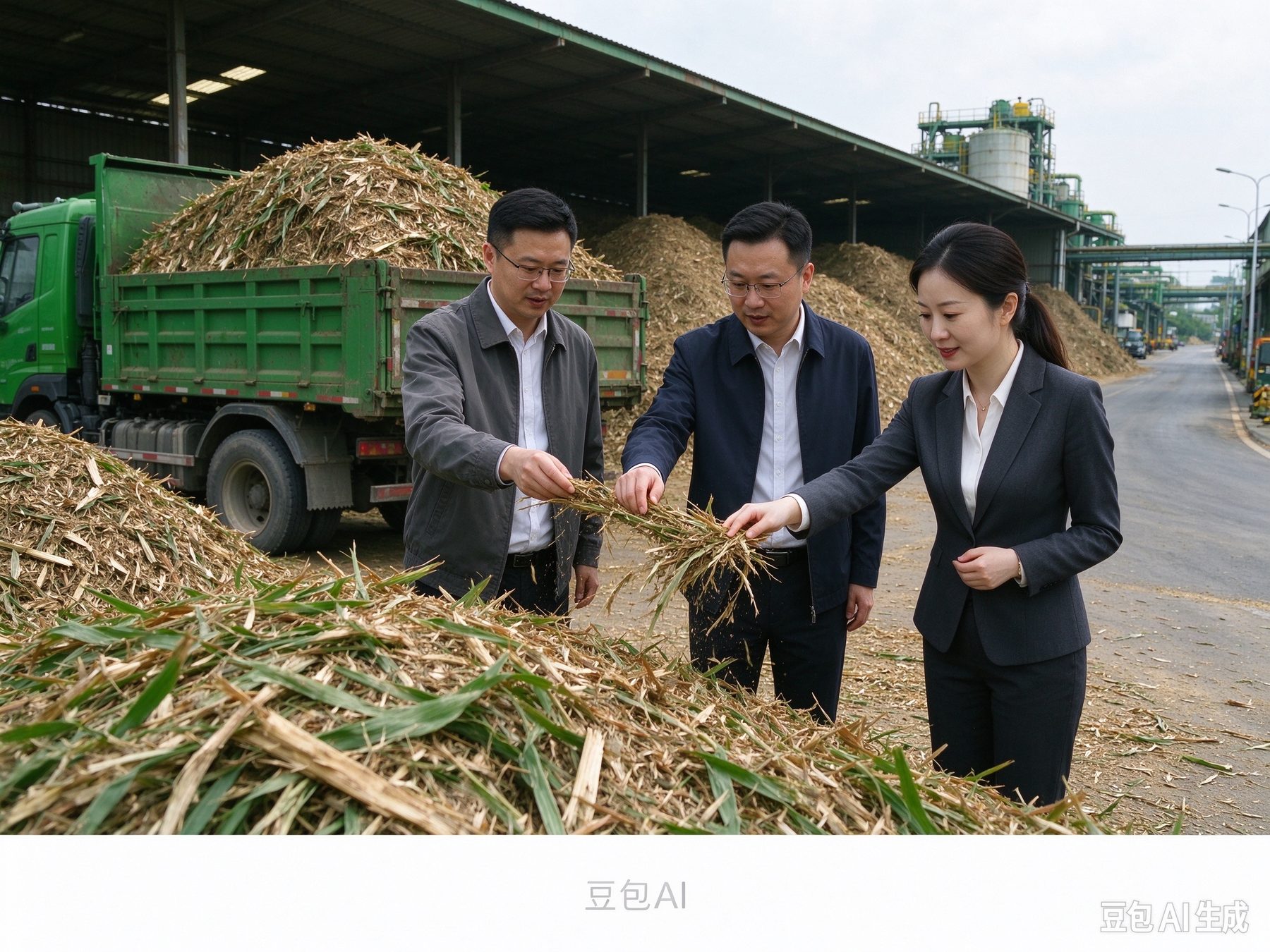
氢气从制出来到用出去,中间这一段是全链条最长、也最不确定的一环。2026年11月5日,国家能源局在第九届虹桥国际经济论坛分论坛发布《中国氢能和绿色燃料试点典型案例(2026)》,由国家能源局科技司组织中国氢能联盟编制,从首批氢能和绿色燃料试点中遴选15个代表性案例。在低成本储运方向收录了两个项目:内蒙古达茂旗至包头市区氢气长输管道项目,全长约195公里、设计年输氢量10万吨;广东广州长距离低成本高效气态运氢项目,研发30兆帕管束式运氢集装箱,单次运氢量达650千克。把这两个项目与同一时期落地的三项输氢管道标准放在一起看,储运这一段的工程主线就清楚了:氢怎么存下来不是最难的,难的是氢在管道里跑两年会不会出事,以及每一道环焊缝的缺陷能不能被稳定检出。
管道路线:195公里要解决的是材料与焊缝
管道与集装箱的技术差异不在氢气本身,而在压力、材料与焊接这三个变量上。内蒙古达茂旗至包头市区氢气长输管道项目公开披露的攻关方向是“抗氢脆管线钢”、焊接工艺、冻土深埋和定向穿越四个方面,这四项恰好构成了长距离纯氢管道的全部难点。氢脆的机理并不复杂:氢原子在钢的晶格缺陷处聚集,使材料的延展性和抗断裂能力下降,宏观表现是管材在承压状态下延迟开裂。管线的服役期是几十年,氢在管网内的驻留时间以月计,因此材料与氢的相容性不是一次性试验能证明的事,而是需要一套可以复现的评价程序。
冻土深埋与定向穿越这两项则完全是地理与工程的耦合。内蒙古段线路穿越冻土,埋深与冻胀、融沉的关系决定了管道受力状态;定向穿越是为了避开部分施工受限区段,减少地面开挖带来的生态扰动。这两项本身不属于氢能技术范畴,但它们决定长输管道的投资强度与工期,而工期又直接决定单位输氢成本能否落在可行区间。项目公开披露的经验是,规模化运营后输氢成本可降至1元/公斤以下。
工程规模决定这条路线的经济性格。设计年输氢量10万吨是这条管线的设计上限,管网铺成之后,边际成本几乎只剩压缩机耗电与日常维护,因此规模越大单位成本越低。这与集装箱路线的经济逻辑正好相反:后者每次运输都要付出装卸、往返、转运与空箱回程的成本,只有在单次运输量足够大、或者起终点距离足够短时才划算。把两条路线并列,得到的结论不是谁替代谁,而是规模与灵活性的分工。
管束式路线:压力等级抬升一档意味着什么
广东广州长距离低成本高效气态运氢项目研发30兆帕管束式运氢集装箱,单次运氢量达650千克,推动区域高压气态运氢从20兆帕向30兆帕压力等级跨越,有效降低长距离运氢成本,相关公开信息提到单位运输成本下降50%。压力从20兆帕升到30兆帕,看上去只是数值的变动,实际牵动的是整套储运硬件的力学边界。储氢密度与绝对压力近似成正比,同体积容器内的氢气装载量随压力提高而增加,这也是单次运氢量能从几百公斤级抬到650千克的物理基础。
把压力提升的代价落在材料、阀门、密封与安全距离上。30兆帕属于高压气态氢的范畴,对应的容器壁厚、应力等级与检验频次要求都高于20兆帕级别,配套的加注与卸气装备也需要重新设计。这意味着压力升级并不是把现有箱体加厚一点那么简单,而是要沿着材料标准、检测规程、安全规范整条链条同步抬高。相比之下,管束式集装箱路线还有一个常被低估的优势:它可以把储氢单元做成可更换的标准件,某个箱体到达寿命终点时整体更换,而不是像固定管线那样必须停输开挖。
从工程可行性角度看,这两条路线的组合逻辑相当清晰。长距离、大规模、稳定流向的场景用管道,把管网当作一次投资换取长期边际成本;短途、间歇、需求分散的场景用集装箱,用可更换性换取调度灵活性。公开信息未披露这两个项目在同等条件下的完整单位成本对照,因此两者的边界位置目前只能依据规模与距离这两个变量做定性判断,尚无法给出精确的临界点。
储氢形态的分层:气态、液氢、固态与有机液体
把压力维度的讨论拉远一点,储氢其实有四种形态在同时竞争。气态高压路线成熟度最高,代价是储氢密度低、压缩环节耗电大。液氢路线的储氢密度优势明显,对应低温容器、绝热层与液化装备三个高门槛环节。固态储氢以吸附或化学方式储氢,安全性与能量密度是其卖点,技术成熟度仍在早期。有机液体储氢通过液体载体与氢反应再脱氢,工艺链条长、系统复杂度高,但储运介质本身就是常温常压的液体,运输环节反而简单。
这个分层在装备端已经出现了明确落点。2026年11月2日,国家能源局发布2026年第5号公告,公布第六批能源领域首台(套)重大技术装备共90项,其中氢能领域有13项入选,覆盖氢能产业各核心环节。与储运直接相关的两项是“百公斤级高压/固态复合储氢系统”,以及“30吨/天级氢液化装备”。百公斤级高压与固态复合放在同一项装备名称里,本身就说明当前的工程选择已经不再是单一路线独占,而是按场景做组合。同时入选的还有五兆瓦碱性与质子交换膜混联制氢系统、基于200千瓦电堆集成的兆瓦级阴离子交换膜电解制氢装置、单堆500千瓦阴离子交换膜电解制氢装置等制氢侧装备,储运与制氢两端的装备清单在同一批公告中出现,反映出产业已进入按链条整体配套的阶段。
轻量化是液氢重卡这条支线上最具体的技术命题。荣程新能集团总经理助理田建广介绍,该集团正联合十余家产业链头部企业推进液氢全链条示范项目,覆盖氢气液化、低温储运、加注、氢能重卡整车应用全环节,核心装备供应商北京天海工业将为液氢重卡提供液氢储罐;双方自2024年末开启合作,在行业内率先批量应用四型储氢瓶替代传统的三型储氢瓶,三型储氢瓶内胆为铝制、自重偏大,四型储氢瓶为塑料内胆,在轻量化上优势明显。田建广介绍,对于干线物流重卡来说,自重每减少一吨就意味着单次可以多承载一吨货物。储氢瓶从铝内胆换成塑料内胆,看起来只是材料替换,实际改变的是整车的载重与能耗之间的分配关系。
标准落点:三项输氢管道标准各自管住哪一段
储运环节真正开始形成规则约束,是2026年10月21日国家能源局发布2026年第4号公告的时候。这次公布的287项能源行业标准及19项外文版中,有6项涉及氢能,其中三项直接落在输氢管道上,每一项管住的是不同环节。NB/T 12113-2026《氢气输送管道用钢板和钢带》由合肥通用机械研究院有限公司牵头,规定了氢气输送管道用钢板的牌号表示方法、订货内容、尺寸、外形、重量、技术要求、试验方法、检验规则、包装、标志和质量证明书,管的是材料从订货到入库这一段。
NB/T 12116-2026《输氢管道材料氢相容性评价导则》由中国特种设备检测研究院牵头,规定了输氢管道用材料的氢相容性评价程序,包括术语定义、基本原则、前期准备、常规性能评价、专项技术评价、附加性能评价等技术要求,管的是材料在氢环境中长期服役会不会出问题这一段。SY/T 7889-2026《输氢管道焊接技术规范》由中国石油天然气管道科学研究院有限公司牵头,适用于氢气体积比不低于10%的氢气管道线路管道环焊缝的焊接,规定了焊条电弧焊、钨极氩弧焊、熔化极实心与药芯气保护电弧焊、埋弧焊以及上述焊接方法相互组合的材料、焊接工艺评定及现场焊接质量技术要求,管的是环焊缝这一段。
三者的分工逻辑相当清晰。材料标准解决的是钢管本身能不能用,氢相容性导则解决的是钢管与氢共处一段时间之后还能不能用,焊接规范解决的是两个管段接在一起的那一圈焊缝能不能用。而焊接之所以单独立一份规范,是因为环焊缝是整条管线上唯一由现场完成、质量离散度最大的部位,自动化程度低、环境条件复杂、检测结果最依赖人员操作。这也是为什么《输氢管道焊接技术规范》要专门规定现场焊接质量技术要求,而不仅是对焊材和工艺评定提出标准。
研判:储运环节的技术门槛落在哪里
把标准与工程实例合起来看,可以给出一个明确判断:储运环节的技术门槛不在储氢密度,而在材料与焊缝的长期可靠性。储氢密度决定了一次能运多少,但决定这条链路能否持续运行的是另一个问题——每一道焊缝、每一段钢管在氢环境与压力循环的长期共同作用下,能不能守住设计寿命。这个判断也解释了为什么储运的投入结构与传统气态储氢不同:资金更多流向材料研发、检测能力与焊接工艺评定,而不是单纯堆砌储氢容积。
另一个值得注意的方向是检测能力的公共化。据2026年11月5日发布的典型案例,内蒙古氢能装备实证实验平台项目聚焦装备检测、技术中试、标准验证、实训实践四大功能,已开展8台千方级碱性电解槽、3台兆瓦级质子交换膜电解槽检测,并创新一检多证机制对接国际认证。国家能源局科技司副司长边广琦在同一天的论坛发言中介绍,中国拥有世界最大规模的可再生能源体系和完整的制造业体系,在绿色氢能供给、技术装备制造、应用市场培育等方面具有突出优势。对储运环节而言,公共检测平台的意义在于把分散在单个项目里的材料与焊缝验证经验,沉淀成行业可以复用的公共基础设施。
最后给一个产业阶段的判断。截至该批典型案例发布时,我国可再生能源制氢建成投运产能超35万吨/年,绿色氨醇建成产能超130万吨/年。产能侧的规模已经起来,储运侧的标准体系刚刚补齐,装备侧的13项首台(套)清单把技术路线摆到了台面上。三个环节的成熟度并不同步:制氢在拼成本与负荷适应,储运在补材料与焊接的规则缺口,绿氢燃料在等国际认证与长协锁定。这决定了接下来一段时间技术投入的方向——不是继续放大单点指标,而是把链条上每个接口的口径统一起来,让不同厂商的装备能在同一套方法下互认。
本文参考资料来源于国家能源局、中国氢能联盟公开发布的氢能试点典型案例与能源行业标准公告;内蒙古达茂旗至包头市区氢气长输管道项目、广东广州长距离低成本高效气态运氢项目、北京天海工业与荣程新能集团公开发布的工程与装备资料;中国能源报、中国能源新闻网、中国经济网等行业媒体公开报道。
From the production of hydrogen to its use, this intermediate stage is the longest and most uncertain part of the entire chain. On November 5, 2026, the National Energy Administration released the "China Hydrogen and Green Fuel Pilot Typical Cases (2026)" at a sub-forum of the 9th Hongqiao International Economic Forum, organized by the Science and Technology Department of the National Energy Administration and compiled by the China Hydrogen Alliance. It selected 15 representative cases from the first batch of hydrogen and green fuel pilots. Two projects were included in the direction of low-cost storage and transportation: the Damao Banner to Baotou urban area long-distance hydrogen pipeline project in Inner Mongolia, with a total length of about 195 kilometers and a designed annual hydrogen transport capacity of 100,000 tons; and the long-distance, low-cost, high-efficiency gaseous hydrogen transport project in Guangzhou, Guangdong, which developed 30 MPa bundle-type hydrogen transport containers with a single transport capacity of 650 kilograms of hydrogen. When these two projects are looked at together with the three hydrogen pipeline standards implemented in the same period, the main engineering line of the storage and transportation stage becomes clear: storing hydrogen is not the most difficult part; the challenge is whether hydrogen running in the pipeline for two years will cause problems, and whether defects in each welded seam can be reliably detected. Pipeline route: for a distance of 195 kilometers, the issues to solve are materials and weld seams.
The technical differences between pipelines and containers do not lie in the hydrogen itself, but in the three variables of pressure, material, and welding. The publicly disclosed research directions for the long-distance hydrogen pipeline project from Damao Banner in Inner Mongolia to the urban area of Baotou City are “hydrogen embrittlement-resistant pipeline steel,” welding technology, deep burial in permafrost, and directional drilling. These four aspects happen to constitute all the challenges of long-distance pure hydrogen pipelines. The mechanism of hydrogen embrittlement is not complicated: hydrogen atoms accumulate at lattice defects in steel, reducing the material's ductility and fracture resistance, macroscopically manifesting as delayed cracking of the pipe under pressure. The service life of the pipeline spans several decades, and the residence time of hydrogen in the network is measured in months. Therefore, the compatibility between the material and hydrogen cannot be proven by a one-time test; it requires a reproducible evaluation procedure.
Permafrost burial and directional crossing are entirely a coupling of geography and engineering. The Inner Mongolia section of the route crosses permafrost, and the burial depth in relation to frost heaving and thaw settlement determines the stress state of the pipeline; directional crossing is used to avoid certain construction-restricted sections and reduce ecological disturbance caused by surface excavation. These two items themselves do not fall within the scope of hydrogen energy technology, but they determine the investment intensity and construction period of long-distance pipelines, and the construction period directly determines whether the unit hydrogen transportation cost can fall within a feasible range. The experience publicly disclosed by the project is that after scaled operation, the hydrogen transportation cost can be reduced to below 1 yuan per kilogram.
The scale of the project determines the economic characteristics of this route. The design annual hydrogen transport volume of 100,000 tons is the design limit for this pipeline. Once the network is laid, the marginal costs are almost limited to compressor electricity consumption and routine maintenance, so the larger the scale, the lower the unit cost. This is exactly the opposite of the economic logic of containerized routes: for the latter, every shipment incurs costs for loading and unloading, round trips, transshipment, and returning empty containers, making it only cost-effective when the single shipment volume is large enough or the distance between origin and destination is short enough. Comparing the two routes side by side, the conclusion is not about which replaces the other, but a division of labor between scale and flexibility.
Bundle pipe route: What does it mean to raise the pressure level by one tier?
In Guangzhou, Guangdong, a long-distance, low-cost, and efficient gaseous hydrogen transport project has developed a 30 MPa tubular hydrogen transport container, with a single transport capacity of up to 650 kilograms. This promotes the regional high-pressure gaseous hydrogen transport to leap from a pressure level of 20 MPa to 30 MPa, effectively reducing long-distance hydrogen transport costs. Publicly available information mentions a 50% decrease in unit transport cost. Although increasing the pressure from 20 MPa to 30 MPa seems like just a numerical change, it actually affects the mechanical boundaries of the entire storage and transport hardware. Hydrogen storage density is approximately proportional to absolute pressure, so the amount of hydrogen that can be loaded in a container of the same volume increases with pressure. This is the physical basis for raising the single transport capacity from several hundred kilograms to 650 kilograms.
The cost of increasing pressure falls on materials, valves, seals, and safety distances. 30 MPa falls into the category of high-pressure gaseous hydrogen, and the corresponding container wall thickness, stress rating, and inspection frequency requirements are all higher than the 20 MPa level. The supporting refueling and venting equipment also need to be redesigned. This means that pressure upgrades are not just about slightly thickening the existing container; the entire chain of material standards, testing procedures, and safety regulations must be raised simultaneously. In comparison, the tube-trailer container approach has another often underestimated advantage: it allows the hydrogen storage unit to be made into replaceable standard components. When a container reaches the end of its service life, it can be replaced as a whole, rather than having to stop supply and excavate like a fixed pipeline.
From the perspective of engineering feasibility, the combination logic of these two routes is quite clear. For scenarios with long distances, large scale, and stable flow, pipelines are used, treating the network as a one-time investment in exchange for long-term marginal costs; for scenarios with short distances, intermittent flow, and dispersed demand, containers are used, trading replaceability for scheduling flexibility. Public information has not disclosed the complete unit cost comparison of these two projects under the same conditions, so the boundary position of the two can currently only be qualitatively judged based on the variables of scale and distance, and precise critical points cannot yet be given.
Layering of hydrogen storage forms: gaseous, liquid hydrogen, solid, and organic liquids.
To broaden the discussion on pressure dimensions, there are actually four forms of hydrogen storage competing simultaneously. The gaseous high-pressure route has the highest maturity, but the trade-off is low hydrogen storage density and high electricity consumption during compression. The liquid hydrogen route has a clear advantage in storage density, corresponding to three high-threshold components: low-temperature containers, insulation layers, and liquefaction equipment. Solid-state hydrogen storage stores hydrogen through adsorption or chemical means, with safety and energy density as its selling points, but the technology is still in the early stages of maturity. Organic liquid hydrogen storage reacts hydrogen with a liquid carrier and then dehydrogenates it, involving a long process chain and high system complexity, but the storage and transportation medium itself is already a liquid at normal temperature and pressure, making the transportation stage relatively simple.
This stratification has already shown clear endpoints on the equipment side. On November 2, 2026, the National Energy Administration issued Announcement No. 5 of 2026, revealing the sixth batch of major technical equipment in the energy sector, totaling 90 items. Among them, 13 items in the hydrogen energy field were selected, covering all core segments of the hydrogen energy industry. Two items directly related to storage and transportation are the 'hundred-kilogram-level high-pressure/solid composite hydrogen storage system' and the '30-ton/day hydrogen liquefaction equipment.' The fact that the hundred-kilogram-level high-pressure and solid composite are listed under the same equipment name itself indicates that the current engineering choice is no longer dominated by a single pathway, but is a combination according to scenarios. Also selected are hydrogen production-side equipment such as the 5-megawatt alkaline and proton exchange membrane hybrid hydrogen production system, the megawatt-level anion exchange membrane electrolysis hydrogen production device integrated with a 200-kilowatt stack, and the 500-kilowatt single-stack anion exchange membrane electrolysis hydrogen production device. The appearance of both storage/transportation and hydrogen production equipment lists in the same announcement reflects that the industry has entered a stage of overall chain coordination.
Lightweighting is the most specific technical proposition in the liquid hydrogen heavy truck sector. Tian Jianguang, Assistant General Manager of Rongcheng New Energy Group, introduced that the group is working with more than ten leading companies in the industrial chain to advance a full-chain demonstration project for liquid hydrogen, covering all aspects of hydrogen liquefaction, cryogenic storage and transportation, refueling, and hydrogen heavy truck vehicle applications. The core equipment supplier, Beijing Tianhai Industrial, will provide liquid hydrogen tanks for the liquid hydrogen heavy trucks. The cooperation between the two parties started at the end of 2024, and they will be the first in the industry to use Type IV hydrogen storage tanks in mass production to replace the traditional Type III storage tanks. The inner liner of the Type III tanks is made of aluminum and has a relatively heavy weight, whereas the Type IV tanks have a plastic inner liner, which offers a clear advantage in lightweighting. Tian Jianguang explained that for long-haul logistic heavy trucks, every ton of weight reduced means that one more ton of cargo can be carried per trip. Replacing the aluminum liner of the hydrogen storage tank with a plastic one may seem like just a material substitution, but in reality, it changes the distribution between a vehicle's load capacity and energy consumption.
Standard point: Which sections are covered by each of the three hydrogen pipeline standards.
The transportation and storage sector truly began to be regulated on October 21, 2026, when the National Energy Administration issued Announcement No. 4 of 2026. Among the 287 energy industry standards and 19 foreign language versions released this time, six involve hydrogen energy, with three directly related to hydrogen pipelines, each covering different stages. NB/T 12113-2026 "Steel Plates and Coils for Hydrogen Transmission Pipelines," led by Hefei General Machinery Research Institute Co., Ltd., specifies the grade designation, order content, dimensions, shape, weight, technical requirements, test methods, inspection rules, packaging, markings, and quality certificates of steel plates used for hydrogen pipelines, covering the material stage from ordering to warehousing.
NB/T 12116-2026 "Guidelines for Hydrogen Compatibility Evaluation of Materials for Hydrogen Transmission Pipelines" is led by the China Special Equipment Inspection and Research Institute. It stipulates the evaluation procedures for the hydrogen compatibility of materials used in hydrogen transmission pipelines, including technical requirements such as terminology definitions, basic principles, preliminary preparations, routine performance evaluation, special technical evaluation, and additional performance evaluation. This part concerns whether the materials will have problems when serving in a hydrogen environment for a long time. SY/T 7889-2026 "Technical Specification for Welding of Hydrogen Transmission Pipelines" is led by the China Petroleum & Natural Gas Pipeline Science Research Institute Co., Ltd. It applies to the welding of pipe girth welds in hydrogen pipeline lines where the hydrogen gas volume fraction is not less than 10%, and it specifies the materials, welding procedure qualification, and on-site welding quality technical requirements for shielded metal arc welding, tungsten inert gas welding, submerged arc welding with solid and flux-cored electrodes, and combinations of the above welding methods. This part concerns the girth welds.
The division of labor among the three is quite clear. Material standards address whether the steel pipe itself can be used, hydrogen compatibility guidelines address whether the steel pipe can still be used after being exposed to hydrogen for a period of time, and welding specifications address whether the weld that joins two pipe sections together can be used. The reason welding has its own separate specification is that circumferential welds are the only part of the entire pipeline completed on-site, with the largest variation in quality, low automation, complex environmental conditions, and inspection results that are most dependent on personnel. This is also why the "Technical Specification for Hydrogen Pipeline Welding" specifically stipulates on-site welding quality technical requirements, and not just standards for welding materials and procedure qualification.
Analysis: Where do the technical thresholds lie in the storage and transportation stages?
Looking at the standards together with engineering cases allows for a clear judgment: the technical barrier in the storage and transportation stage lies not in hydrogen storage density, but in the long-term reliability of materials and welds. Hydrogen storage density determines how much can be transported at one time, but whether this chain can operate continuously is another matter—whether each weld and each section of steel pipe can maintain its design lifespan under the long-term combined effects of hydrogen exposure and pressure cycling. This judgment also explains why the investment structure in storage and transportation differs from traditional gaseous hydrogen storage: more funds go into material research, testing capabilities, and welding process assessment, rather than simply increasing hydrogen storage volume.
Another noteworthy direction is the publicization of testing capabilities. According to a typical case released on November 5, 2026, the Inner Mongolia Hydrogen Energy Equipment Demonstration Experimental Platform project focuses on four main functions: equipment testing, technology pilot, standard verification, and practical training. It has already conducted tests on eight kiloton-level alkaline electrolyzers and three megawatt-level proton exchange membrane electrolyzers, and has innovatively implemented a mechanism of one test with multiple certifications to connect with international certification. In a forum speech on the same day, Bian Guangqi, Deputy Director of the Science and Technology Department of the National Energy Administration, introduced that China possesses the world's largest renewable energy system and a complete manufacturing system, with significant advantages in green hydrogen supply, technology equipment manufacturing, and application market cultivation. For the storage and transportation sector, the significance of a public testing platform lies in turning the materials and welding verification experiences scattered across individual projects into public infrastructure that can be reused by the industry.
Finally, a judgment on the industrial stage. By the time this batch of typical cases was released, China's renewable energy hydrogen production capacity in operation had exceeded 350,000 tons per year, and green ammonia and methanol production capacity had exceeded 1.3 million tons per year. The scale on the production side has been established, the standard system for storage and transportation has just been completed, and the list of 13 first-of-their-kind equipment has laid out the technical routes. The maturity of the three links is not synchronous: hydrogen production is competing on cost and load adaptability, storage and transportation is addressing gaps in material and welding standards, and green hydrogen fuel is waiting for international certification and long-term agreements. This determines the direction of technological investment in the near future — not to continue expanding single-point indicators, but to standardize each interface along the chain, allowing equipment from different manufacturers to be mutually recognized under the same set of methods.
This article's reference materials are sourced from the National Energy Administration, the China Hydrogen Alliance's publicly released typical hydrogen energy pilot cases, and energy industry standard announcements; the long-distance hydrogen pipeline project from Damao Banner in Inner Mongolia to Baotou City, the long-distance low-cost high-efficiency gaseous hydrogen transport project in Guangzhou, Guangdong, and the publicly released engineering and equipment information from Beijing Tianhai Industrial and Rongcheng New Energy Group; as well as public reports from industry media such as China Energy News, China Energy News Network, and China Economic Net.
本网站摘录或转载的属于第三方的信息,目的在于传递更多信息,内容仅供参考。相关股票、投融资等资讯及分析并不代表本网站赞同其意见和对其真实性负责,不构成投资建议。
若不慎涉及侵权,请在相关内容刊发之日起 30 日内联系我们,我们将第一时间进行删除处理。
转载本网资讯请注明来源作者。本网原创文章、研究报告禁止转发。
Information excerpted or reprinted from third parties on this website is intended to convey more information for reference only. Related stocks, investment and financing news and analysis do not represent the endorsement of this website, nor does this website assume responsibility for their authenticity, and do not constitute investment advice.
If any content unintentionally infringes upon rights, please contact us within 30 days from the date of publication, and we will remove it as soon as possible.
When reprinting content from this website, please indicate the source and author. Original articles and research reports of this website may not be redistributed.
数据来源与口径说明:本平台数据与资讯均以「唯一官方口径」采集与发布,优先采用国家部委、国家统计局、海关总署、中国氢能联盟、IEA / IRENA / IMO 等官方或政府间机构公开数据;同一指标只取一个来源,不做多源拼接。数值为公开发布值,可能因统计口径、产地与发布时间不同而存在差异,仅供参考,不构成交易依据。Data sources and methodology: all data and news on this platform are collected and published from a single official source, giving priority to public data from government bodies and intergovernmental organisations such as the National Bureau of Statistics, the General Administration of Customs, the China Hydrogen Alliance, and IEA / IRENA / IMO. One indicator has one source only and is never stitched together from multiple sources. Figures are published values and may vary with statistical scope, origin and release date. For reference only; not a basis for transactions.