
如何下好建设零碳园区这盘大棋How to Play the Big Game of Building a Zero-Carbon Park Well
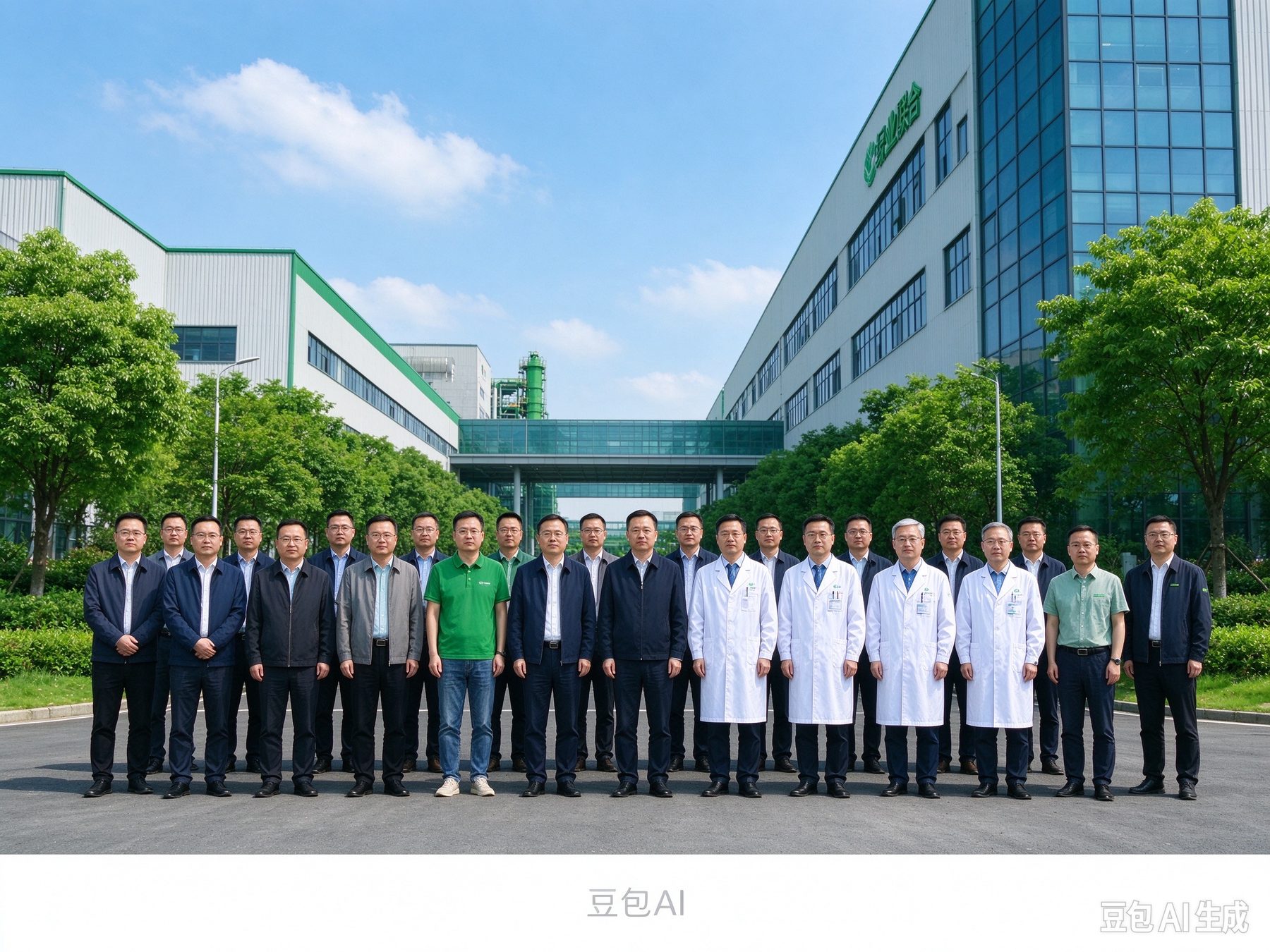
近期各地零碳园区建设明显提速:8月底,山西省公布首批7个省级零碳园区名单;9月7日,上海市印发《零碳园区建设工作方案》;9月11日,江苏省出台《零碳园区建设实施方案》。
从国家层面看,2024年年底中央经济工作会议首次明确提出建设一批零碳园区;2025年6月,国家发展改革委、工业和信息化部、国家能源局联合印发《关于开展零碳园区建设的通知》,标志着全国零碳园区建设正式启动。中国金融学会绿色金融专业委员会零碳园区绿色金融工作组牵头人苏楠表示,预计“十五五”时期全国要建成100个左右国家级零碳园区和一批省级零碳园区,无论是从政策层面还是市场规模来看,都值得行业关注。
为什么要建?中国标准化研究院资源环境领域首席专家林翎从五个方面作了解读。一是给绿电找“家”,风电场、光伏电站所发的电需要有地方用、用得掉,园区正是最好的消纳场所,推动能源利用方式向绿色转型;二是帮产业“减肥”,传统产业能耗和碳排放水平高,新兴产业同样需要绿色发展,园区是产业深度脱碳的主战场;三是让东西部“结对子”,我国西部地区风光资源丰富、绿电价格便宜,东部地区产业稠密、耗能大,通过零碳园区可以把东部的一些产业引到西部去,用绿电支撑发展,两边都受益;四是给出口产品办“绿色护照”,欧盟等市场对碳排放量的要求越来越高,园区企业生产的零碳产品能够应对绿色贸易壁垒;五是设立“样板间”,零碳园区就像一个个“零碳细胞”,是国家绿色发展的基本单元,目前首批52个国家级零碳园区已启动规划和建设,先做样板、积累经验,再向全国推广。
零碳园区投资动辄上百亿元,究竟该怎么建?中国国际工程咨询有限公司资源与环境业务部气候应对处副处长陈程认为,建设零碳园区可分几步走:第一步是摸清家底,先搞清园区年用电量、用热量,摸清负荷端,再挖掘周边风力发电、光伏发电、生物质发电、垃圾焚烧发电以及地热、余热等绿色能源资源,匹配电源端,然后才能对症下药;第二步是以“绿”治“绿”,用绿色能源培育绿色产业,比如黑龙江省绥化安达经开区引进风光储氢氨醇一体化项目,把新能源、储能、绿氢、绿色甲醇串成一条产业链;第三步是给老园区“做手术”,吉林省四平市推行一企一策节能改造,推动园区重点企业能耗达到国家能效标准,安徽省广德经开区建起零碳管理平台,用数字化手段帮助企业节能降碳;第四步是请专业“管家”,中西部一些园区自身条件有限,需要公开招标专业服务商,如云南祥云经开区遴选综合能源服务商,共有17家联合体、近80家企业参与投标。
南京银行股份有限公司金融部副总经理张旺燕举例说,江苏省拥有158家省级以上园区,贡献了该省约50%的经济总量、70%的规上工业增加值,同时也产生了大量能耗。江苏的做法是“标准先行、试点领跑、全辖推动”:2024年发布近零碳园区建设指南,2025年8月发布长三角首个省级零碳园区建设标准,今年3月中国人民银行江苏省分行推出全国首个零碳园区金融方案。盐城大丰港建起全国首个园区级绿电直供场景,常州溧阳高新区依托宁德时代打造动力电池产业集群,这两家园区均入选首批国家级零碳园区。目前,江苏已有35个园区进入省级培育库,苏南五市计划到2027年率先建成45个左右近零碳园区。
林翎强调,零碳园区并非不排放碳,而是把碳排放量压到极低,再通过使用绿电、碳汇等手段抵消到近零碳状态。按照《关于开展零碳园区建设的通知》中的指标体系,园区清洁能源占比要达到90%,固体废物、水循环利用率要达到80%,余热余压也要被充分利用;江苏省设定的目标是,到2030年单位能耗碳排放低于0.3吨二氧化碳/吨标准煤,非化石能源电力占比超过80%。
北京绿色金融与可持续发展研究院国际合作与研究中心主任程琳提到一个重要指标“碳强度”:到2035年,全国碳排放总量要比峰值下降7%至10%,不同行业难度不一。目前全国绿色信贷、绿色债券余额已超过50万亿元,新增贷款中绿色贷款占比接近一半,资金正在加速流向绿色项目。林翎表示,要把过去的能耗双控转向碳排放双控,用标准化手段把国家级园区、省级园区的经验固化下来,让更多园区照着学、比着干;零碳园区将是统筹经济发展和节能减碳的重要抓手,绿色金融在解决其资金需求上不可替代。
Recently, the construction of zero-carbon parks across the country has accelerated significantly: At the end of August, Shanxi Province announced the first batch of seven provincial-level zero-carbon parks; on September 7, Shanghai issued the "Work Plan for the Construction of Zero-Carbon Parks"; and on September 11, Jiangsu Province released the "Implementation Plan for the Construction of Zero-Carbon Parks."
From a national perspective, the Central Economic Work Conference at the end of 2024 clearly proposed for the first time the construction of a number of zero-carbon parks; in June 2025, the National Development and Reform Commission, the Ministry of Industry and Information Technology, and the National Energy Administration jointly issued the "Notice on Carrying Out the Construction of Zero-Carbon Parks," marking the official launch of zero-carbon park construction nationwide. Su Nan, the leader of the Green Finance Working Group for Zero-Carbon Parks under the Green Finance Professional Committee of the China Finance Society, stated that it is expected that during the 15th Five-Year Plan period, around 100 national-level zero-carbon parks and a batch of provincial-level zero-carbon parks will be built nationwide. Both from the policy perspective and market scale, this is worth the industry's attention.
Why build it? Lin Ling, chief expert in the field of resources and environment at the China National Institute of Standardization, explained from five aspects. First, to give green electricity a 'home'; the electricity generated by wind farms and photovoltaic power stations needs a place to be used effectively, and the industrial park is the best place for consumption, promoting a green transition in energy utilization. Second, to help industries 'slim down'; traditional industries have high energy consumption and carbon emission levels, and emerging industries also need green development. Industrial parks are the main battleground for deep decarbonization of industries. Third, to pair the eastern and western regions; China's western regions are rich in wind and solar resources, with cheap green electricity, while the eastern regions are industrially dense and energy-intensive. Through zero-carbon parks, some industries from the east can move to the west and develop using green electricity, benefiting both sides. Fourth, to provide 'green passports' for export products; markets such as the European Union increasingly demand low carbon emissions, and zero-carbon products produced by park enterprises can meet these green trade requirements.
Fifth, set up 'model rooms.' Zero-carbon parks are like individual 'zero-carbon cells' and are the basic units of national green development. Currently, the first batch of 52 national-level zero-carbon parks has begun planning and construction, first creating models to accumulate experience, and then promoting them nationwide.
Investing in a zero-carbon park can easily reach tens of billions of yuan. So how should it actually be built? Chen Cheng, Deputy Director of the Climate Response Office of the Resources and Environment Business Department at China International Engineering Consulting Corporation, believes that building a zero-carbon park can be done in several steps: The first step is to get a clear picture of the situation by understanding the park's annual electricity and heat usage and identifying the load side. Then, explore surrounding green energy resources such as wind power, photovoltaic power, biomass power, waste incineration power, as well as geothermal and waste heat, to match the power supply, before taking targeted measures. The second step is to 'use green to treat green' by cultivating green industries with green energy. For example, the Suihua Anda Economic Development Zone in Heilongjiang Province introduced an integrated wind-solar-hydrogen-ammonia-methanol project, connecting renewable energy, energy storage, green hydrogen, and green methanol into an industrial chain. The third step is to 'operate' on existing parks. Siping City in Jilin Province implements customized energy-saving renovations for key enterprises to bring their energy consumption up to national efficiency standards. The Guangde Economic Development Zone in Anhui Province has built a zero-carbon management platform, using digital means to help enterprises save energy and reduce carbon.
The fourth step is to hire professional 'stewards.' Some parks in the central and western regions have limited own resources and need to publicly tender professional service providers. For example, Yunnan Xiangyun Economic Development Zone selected an integrated energy service provider, with a total of 17 consortia and nearly 80 companies participating in the bidding.
Zhang Wangyan, Deputy General Manager of the Finance Department of Bank of Nanjing Co., Ltd., gave an example, saying that Jiangsu Province has 158 parks at the provincial level or above, contributing about 50% of the province's total economic output and 70% of the added value of industrial enterprises above designated size, while also producing a large amount of energy consumption. Jiangsu's approach is "standards first, pilot projects lead, promotion across the jurisdiction": in 2024, it will release the construction guidelines for near-zero carbon parks; in August 2025, it will release the first provincial-level zero-carbon park construction standard in the Yangtze River Delta; this March, the Jiangsu branch of the People's Bank of China launched the country's first zero-carbon park financial scheme. Yancheng Dafeng Port built the country's first park-level direct green electricity supply scenario, and Changzhou Liyang High-tech Zone is building a power battery industry cluster relying on CATL. These two parks have been selected as the first batch of national-level zero-carbon parks. Currently, 35 parks in Jiangsu have entered the provincial-level cultivation pool, and the five cities in southern Jiangsu plan to build about 45 near-zero carbon parks by 2027.
Lin Ling emphasized that a zero-carbon park does not mean no carbon emissions, but rather reducing carbon emissions to an extremely low level, and then offsetting them to a near-zero carbon state through means such as using green electricity and carbon sinks. According to the indicator system in the "Notice on the Construction of Zero-Carbon Parks," the proportion of clean energy in the park must reach 90%, the recycling rate of solid waste and water must reach 80%, and waste heat and residual pressure must also be fully utilized. Jiangsu Province has set the goal that by 2030, carbon emissions per unit of energy consumption will be less than 0.3 tons of CO2 per ton of standard coal, and the proportion of non-fossil energy electricity will exceed 80%.
Cheng Lin, Director of the International Cooperation and Research Center at the Beijing Institute of Green Finance and Sustainable Development, mentioned an important indicator, 'carbon intensity': by 2035, the national total carbon emissions should decrease by 7% to 10% from the peak, with varying difficulties across different industries. Currently, the nationwide balance of green loans and green bonds has exceeded 50 trillion yuan, and green loans account for nearly half of the new loans, with funds rapidly flowing into green projects. Lin Ling stated that the past dual control of energy consumption should shift to dual control of carbon emissions, using standardized methods to consolidate the experiences of national-level and provincial-level industrial parks so that more parks can learn and follow; zero-carbon parks will be an important lever to coordinate economic development with energy saving and carbon reduction, and green finance is irreplaceable in meeting their funding needs.
[Source: China Hi-Tech Industry Herald]
[Editor: Xiao Neng]
本网站摘录或转载的属于第三方的信息,目的在于传递更多信息,内容仅供参考。相关股票、投融资等资讯及分析并不代表本网站赞同其意见和对其真实性负责,不构成投资建议。
若不慎涉及侵权,请在相关内容刊发之日起 30 日内联系我们,我们将第一时间进行删除处理。
转载本网资讯请注明来源作者。本网原创文章、研究报告禁止转发。
Information excerpted or reprinted from third parties on this website is intended to convey more information for reference only. Related stocks, investment and financing news and analysis do not represent the endorsement of this website, nor does this website assume responsibility for their authenticity, and do not constitute investment advice.
If any content unintentionally infringes upon rights, please contact us within 30 days from the date of publication, and we will remove it as soon as possible.
When reprinting content from this website, please indicate the source and author. Original articles and research reports of this website may not be redistributed.
数据来源与口径说明:本平台数据与资讯均以「唯一官方口径」采集与发布,优先采用国家部委、国家统计局、海关总署、中国氢能联盟、IEA / IRENA / IMO 等官方或政府间机构公开数据;同一指标只取一个来源,不做多源拼接。数值为公开发布值,可能因统计口径、产地与发布时间不同而存在差异,仅供参考,不构成交易依据。Data sources and methodology: all data and news on this platform are collected and published from a single official source, giving priority to public data from government bodies and intergovernmental organisations such as the National Bureau of Statistics, the General Administration of Customs, the China Hydrogen Alliance, and IEA / IRENA / IMO. One indicator has one source only and is never stitched together from multiple sources. Figures are published values and may vary with statistical scope, origin and release date. For reference only; not a basis for transactions.